
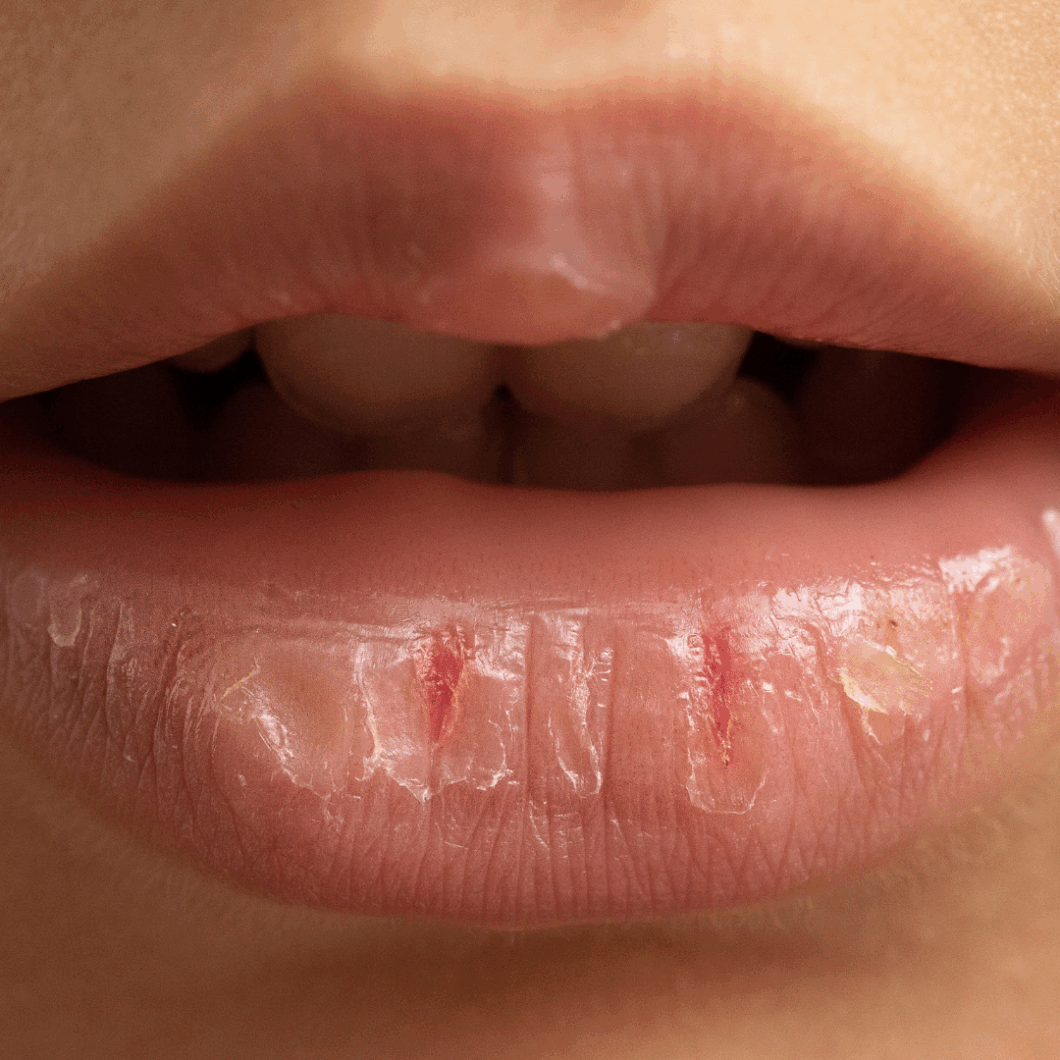
You might wonder why dry mouth occurs and how you can stop it. That nagging cotton‑mouth feeling—medically referred to as xerostomia—affects millions and can compromise both comfort and oral well-being. By learning why dry mouth occurs, you’ll be better equipped with the finest tactics to restore moisture and safeguard your smile.
What Is Xerostomia—and Why Does Dry Mouth Occur
Xerostomia, or dry mouth, occurs when your salivary glands fail to produce enough saliva. Saliva is critical for lubricating tissues, stimulating digestion, buffering acids, and preventing decay. Here are the leading reasons dry mouth occurs:
Medications: Numerous prescription and over‑the‑counter medications, like antihistamines, antidepressants, and blood pressure medications, can unintentionally decrease saliva flow.
Dehydration: Failing to drink adequate water, or drinking diuretics like caffeine and alcohol, keeps your body and mouth chronically dehydrated.
Aging: As we age, salivary gland function can slow down, and dry mouth becomes more prevalent in older adults.
Why Saliva Matters
Realizing why dry mouth occurs highlights the value of saliva:
Digestion: Salivary enzymes start digesting food as soon as you place it in your mouth.
pH Balance: Saliva balances out nasty acids, shielding tooth enamel from destruction.
Antibacterial Action: It rinses food particles and nasty bacteria away, preventing cavities and gum disease in you.
Without adequate saliva, you’re more likely to experience bad breath, difficulty swallowing, cracked lips, and oral infections.
6 Natural Remedies to Beat Dry Mouth
Stay Hydrated: Sip plain water throughout the day. Keep a refillable bottle handy or set hourly reminders.
Use a Humidifier: Boost bedroom humidity to fight overnight dryness, especially in air‑conditioned or heated rooms.
Chew Xylitol‑Sweetened Gum or Mints: Xylitol stimulates saliva production and helps guard against cavities.
Munch on Hydrating Snacks: Cucumbers, celery, watermelon, and oranges provide added moisture and nutrients.
Drink Herbal Teas: Caffeine‑free teas such as chamomile or ginger might calm inflamed tissues while stimulating saliva production.
Use an Aloe Vera Mouth Rinse: Aloe’s inherent enzymes might hydrate oral tissues and quell inflammation.
Lifestyle Changes for Long-Term Relief
Cut Back on Caffeine & Alcohol: Both are diuretics—use decaf herbal teas whenever possible.
Breathe Through Your Nose: Mouth breathing dehydrates oral tissues; emphasize nasal breathing, particularly at night.
Avoid Mouth-Irritating Foods: Spicy, salty, or acidic foods can worsen dryness and discomfort.
Practice Gentle Oral Care: Brush with a soft-bristle brush and mild fluoride toothpaste to shield enamel without stripping moisture.
Share Your Success!
Now that you understand why dry mouth occurs and how to conquer it naturally, what treatment worked best for you? Share your tips in the comments to assist others in restoring comfort and confidence—one sip (or gum) at a time!